


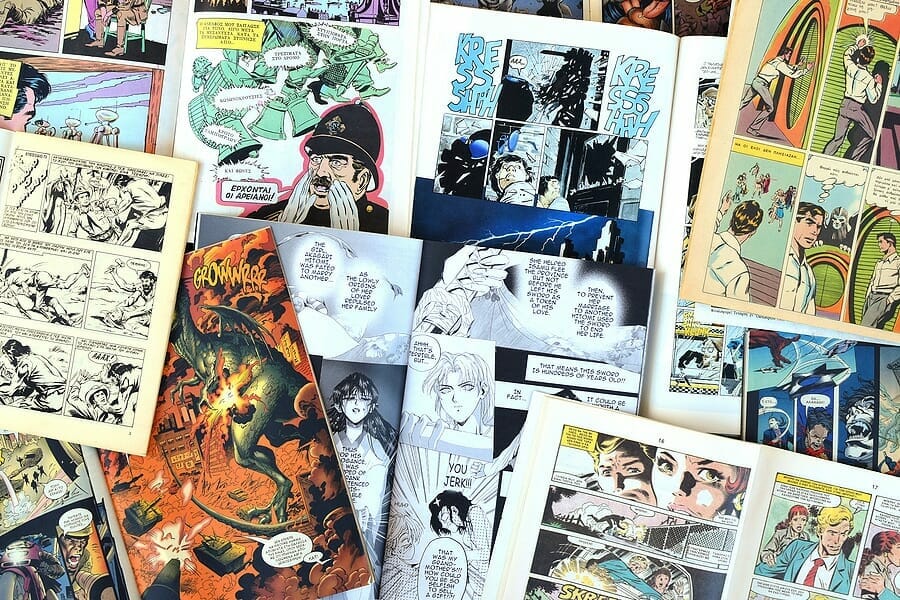
Graphic narratives are defined as a form of storytelling primarily made up of a series of drawings or images and words. This could encompass anything from a comic book or strip, to a full-length graphic novel, such as Neil Gaiman’s The Sandman.

Graphic narratives – or comics and graphic novels – were once brushed off as something “just for kids.” Fast forward a few decades, and they’ve become a celebrated art form in their own right, tackling everything from history and politics to identity and personal memoirs. But how did we get from cave paintings to The Beano and Pulitzer Prize–winning graphic novels?
In 1986, Art Spiegelman published Maus: A Survivor’s Tale, based on the experiences of his parents during the World War II Holocaust. It is haunting and brutally honest, conveying human relationships alongside sweeping historical atrocities. The work was widely acclaimed, and won a Pulitzer Prize in 1992.
But how did this innovative artform begin? Graphic narratives could be said to originate with the earliest cave paintings at Lascaux, or the hieroglyphs of Ancient Egypt. Both are ways of visually communicating ideas.
The idea of telling stories with pictures is as old as humanity itself. Think of the cave paintings at Lascaux or the hieroglyphs of Ancient Egypt – both powerful ways of passing on stories and ideas without words.
In medieval Europe, visual storytelling was everywhere: illuminated manuscripts, woodcuts, and even textiles. The most famous example is probably the Bayeux Tapestry, which tells the story of the Norman conquest and the Battle of Hastings in 1066. Back then, when only a small slice of society could read, pictures were the best way to make sure everyone could follow along.
The improvement of the printing press in the mid-nineteenth century allowed for the mass distribution of newspapers and magazines, and with it, the birth of what we refer to today as the comic strip.
By the mid-19th century, improvements to the printing press made newspapers and magazines widely available, and with them came the first comic strips.
One of the earliest is The Adventures of Obadiah Oldbuck (1837) by Swiss artist Rodolphe Töpffer. When translated into English and published in the US in 1842, it quickly became recognised as a pioneering comic. At first, comic strips were a way to sell magazines, but soon the characters themselves took on a life and a commercial value of their own.
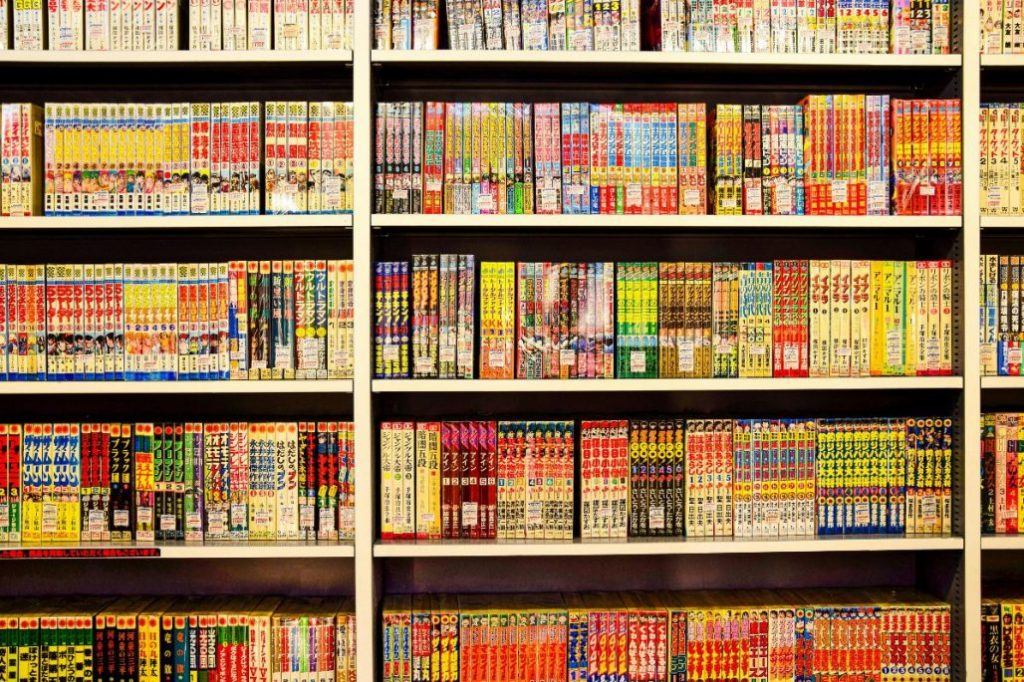
The 1930s and 40s are often called the “Golden Age” of comics. In America, readers met the likes of Superman, Batman and Captain America — larger-than-life heroes who gave people hope during turbulent times.
Britain took a different tack. The Dandy (1937) and The Beano (1938) focused on cheeky, mischievous child characters, with storylines packed with humour and mischief. Even their closest take on a superhero, Bananaman, was more tongue-in-cheek than crime-fighting. These comics became staples of British childhood — and in many ways, still are.
By the 1970s, the perception of comics was changing. No longer dismissed as “just for kids,” graphic narratives started to be taken seriously as an art form.
Nowadays, graphic novels are part of classrooms, libraries, and mainstream culture. They bring together words and images in a way that makes stories more accessible, engaging and often more powerful. From superheroes to social justice, memoirs to fantasy, the range of voices and subjects keeps expanding.
If all this has inspired you to bring your own stories to life, printing is the final step to make them real. Whether it’s a one-off comic, a zine, or a full-length graphic novel, a professional finish makes all the difference. Let us know if you need help printing your own comic book!
Looking for a reliable printing company?
Get an instant quote